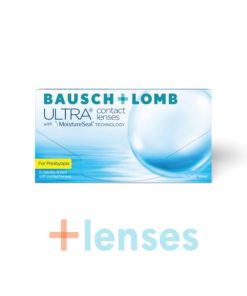
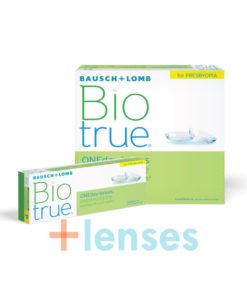
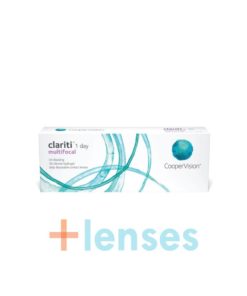
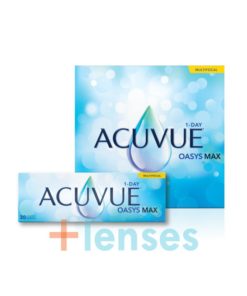


Disposable contact lenses for presbyopia
What is presbyopia?
Presbyopia is a common eye condition that affects the ability to see up close. It usually occurs from the age of 40 and is due to the gradual loss of flexibility of the lens, one of the eye's natural lenses. As a result, people with presbyopia have difficulty reading small print, threading a needle, or performing any other task requiring near vision.
Correction of presbyopia with disposable contact lenses
Contact lenses are a popular option for correcting presbyopia. There are several types of contact lenses designed to meet the needs of presbyopic people, including disposable lenses. Here is a detailed explanation of their advantages and disadvantages:
Types of contact lenses for presbyopia
-
Bifocal contact lenses:
- Advantages
- Two separate correction zones for distance and near vision.
- Quick adaptation for people used to bifocal glasses.
- Disadvantages:
- Can cause intermediate clarity problems.
- Requires an adaptation period for some users.
- Advantages
-
Multifocal contact lenses:
- Advantages
- Several correction zones allowing a clear vision at all distances.
- Smooth transition between distant, intermediate, and near vision.
- Disadvantages:
- May require a longer adaptation period.
- Some people may experience halos or night reflections.
- Advantages
-
Monovision contact lenses
- Advantages
- A lens is suitable for distance vision on one eye and the other for near vision on the other.
- Simple and effective solution for many users.
- Disadvantages:
- Can alter the perception of depth.
- Requires adaptation to the brain to balance the two eyes.
- Advantages
Advantages of disposable contact lenses
- Hygiene: Disposable lenses are replaced daily, weekly, or monthly, which reduces the risk of eye infections.
- Comfort: Modern materials and advanced technology for a comfortable wear throughout the day.
- Practicality: No need for complex cleaning and maintenance, especially for daily use lenses.
Disadvantages of disposable contact lenses
- Cost: Disposable contact lenses can be more expensive in the long run compared to traditional lenses.
- Environment: The daily use of disposable lenses generates more waste, which can be a disadvantage for environmentally conscious people.
Disposable contact lenses offer a practical and hygienic solution to correct presbyopia, with several options available to suit individual needs. By consulting your optometrist, you can determine which option is best for you, taking into account your lifestyle and visual preferences.
It is essential to emphasize the importance of regular consultations with an ophthalmologist or an optometrist. A regular professional assessment not only ensures that your contact lenses are suitable for your current needs but also monitors the overall health of your eyes and detects any potential eye problems early. Take care of your eyes by planning regular eye exams and following the recommendations of your specialist.
To learn more about contact lenses correcting presbyopia and to discover our selection, visit our website www.more-lenses.com.