
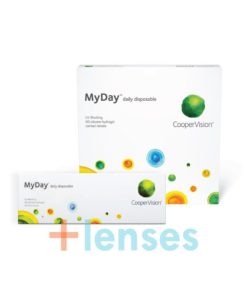
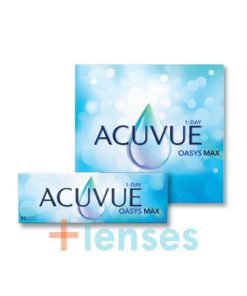
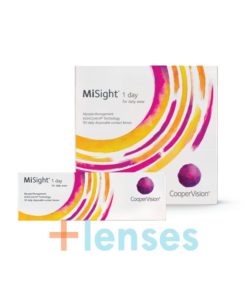


Disposable contact lenses for myopia
What is myopia?
Myopia is a common vision problem where nearby objects are seen clearly, but distant objects appear blurry. It occurs when the eye is too long or the curvature of the cornea is too pronounced, causing the light to focus in front of the retina rather than directly on it. Myopic people often have trouble seeing traffic signs, television screens, or anything that is at a certain distance.
Correction of myopia with contact lenses
Contact lenses are an effective solution to correct myopia. They offer a wider peripheral vision and increased comfort compared to traditional glasses. Here is a detailed explanation of the types of contact lenses available for myopia, as well as their advantages and disadvantages:
Types of contact lenses for myopia
-
Daily contact lenses:
- Advantages
- Optimal hygiene with a new pair of lenses every day.
- No need for cleaning or storage solution.
- Reduction of the risk of eye infections.
- Disadvantages:
- Higher long-term cost compared to less frequently replaced lenses.
- Less environmentally friendly due to the daily generation of waste.
- Advantages
-
Bi-monthly contact lenses:
- Advantages
- Intermediate cost, offering a good balance between price and replacement frequency.
- Ease of adaptation for users.
- Disadvantages:
- Need for regular maintenance with cleaning solutions.
- Increased risk of deposit buildup and infections if poorly maintained.
- Advantages
-
Monthly contact lenses:
- Advantages
- The most economical option for frequent contact lens wearers.
- Less waste generated compared to daily lenses.
- Disadvantages:
- Need for rigorous maintenance to prevent infections and protein deposits.
- Higher risk of complications if the lenses are not properly cleaned and stored.
- Advantages
Contact lenses to slow down myopia
In addition to correcting vision, some contact lenses are designed to slow the progression of myopia, especially in children and adolescents. These lenses, called myopia management lenses, use specific designs to reduce the tension exerted on the eye, thus helping to control the elongation of the eye.
- Advantages
- Can help slow the progression of myopia.
- Offer the same benefits in terms of clear vision and comfort as traditional lenses.
- Disadvantages:
- Potentially higher cost due to advanced technology.
- Requires regular monitoring and follow-up by a visual health professional.
Daily, bi-weekly, and monthly contact lenses offer practical and effective solutions for correcting myopia. By choosing the type of lenses best suited to your needs and regularly consulting your optometrist, you can not only improve your vision but also potentially slow the progression of myopia. A regular consultation with an ophthalmologist or an optometrist is crucial to ensure the health of your eyes and the optimal performance of your contact lenses.
To learn more about the different contact lens options for correcting myopia and to discover our selection, visit our website www.more-lenses.com.